

PhaseWare is celebrating 15 years of business.
Take a trip down memory lane! Here are some of […]
PhaseWare is celebrating 15 years of business. Read More
Take a trip down memory lane! Here are some of […]
PhaseWare is celebrating 15 years of business. Read More

Years ago, the idea of customer support was much simpler.
The Value AI Brings to Customer Experience Read More
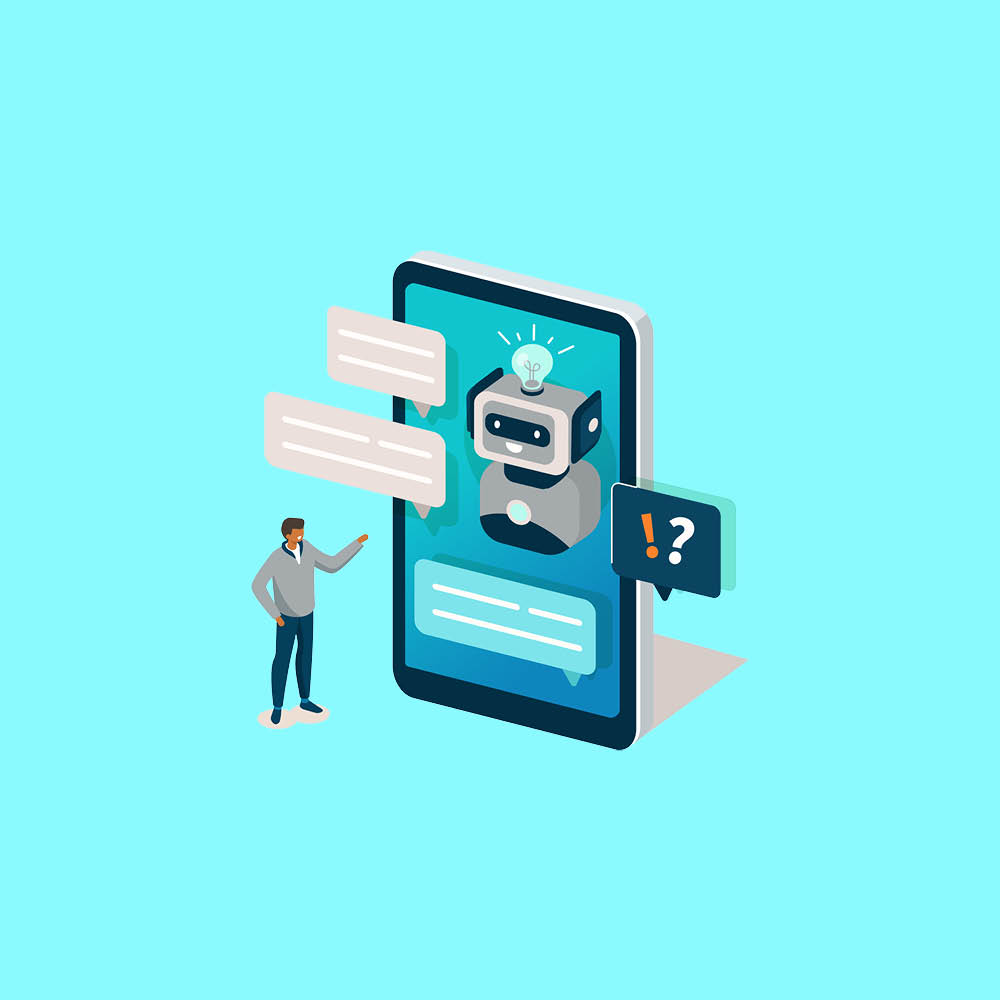
Chatbots are powerful tools, but you need to ensure they provide the right kind of interaction. Let us help by providing customer support automation.
What Does the Perfect Chatbot Conversation Look Like? Read More

Machine learning can be an invaluable tool for B2B support agents in a high-volume department. Let us help by providing B2B customer support software today.
Is Your B2B Customer Support Team Benefiting from Machine Learning? Read More

Are you ready to take advantage of AI-powered chatbots in your customer support operation? Let us help with high-quality software for B2B customer support.
How Chatbots Can Advance B2B Customer Support Read More

To improve your B2B customer support operation, you need predictive AI on your side. Let us help by providing software for B2B customer service today.
Improve B2B Customer Service with the Predictive Power of AI Read More
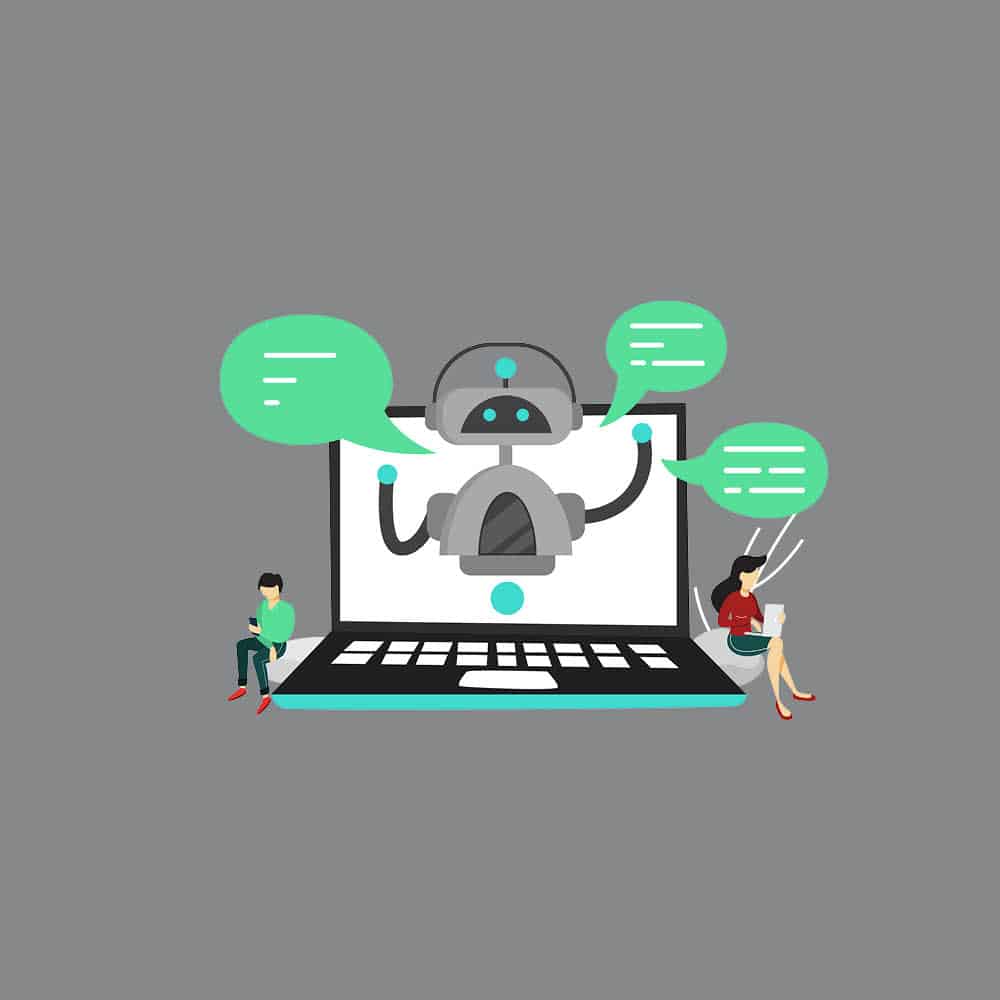
AI-powered support tools are crucial for increasing B2B customer loyalty. Let us help you take advantage of AI with our software for B2B customer support.
Gain Customer Loyalty with Artificial Intelligence Read More
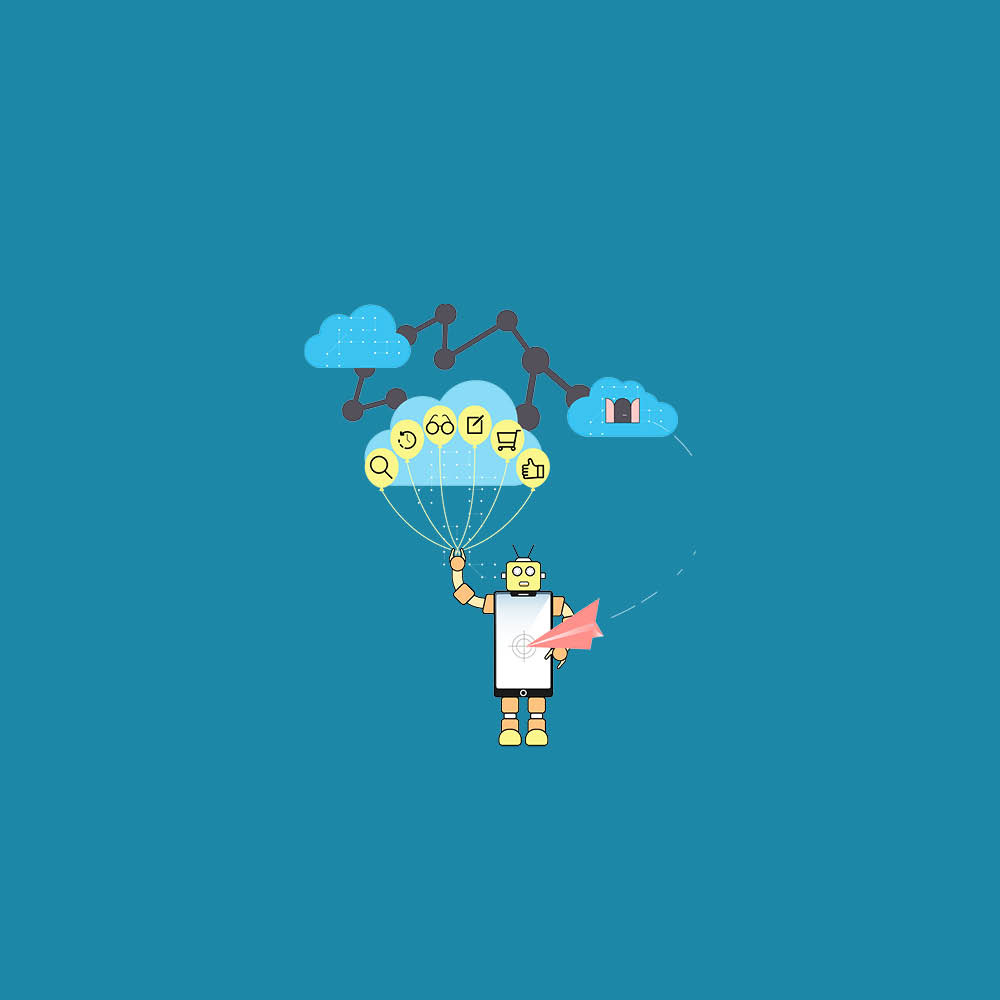
Are you having trouble incorporating automated tools while also providing a personalized experience? Let PhaseWare help with B2B customer support software.
Personalization Doesn’t Have to be Lost with Customer Support Automation Read More

Using automated tools the right way will streamline and improve your customer support operation in no time. Let us help with software for B2B customer service.
The Guidelines to Follow for Customer Service Automation Read More

Artificial intelligence can help your support team improve the customer care they provide your clients. Let us help with B2B customer support software.
Take the Customer Care Approach with B2B Artificial Intelligence Read More